
Category Archives: Aboriginal
Genocide American Style; Red Cry Lakota Solidarity Project (2013) Film
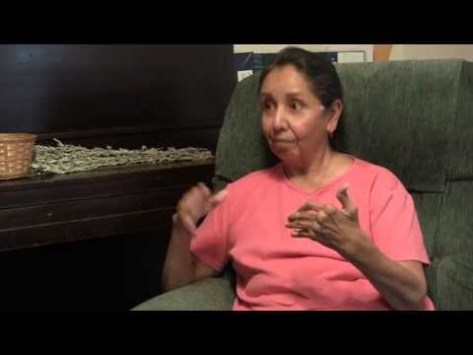
Red Cry is about past and present genocide of the Lakota nation.
The first third of the film concerns the ugly history of legalized genocide of Native American peoples. Some of the highlights include
• Columbus’s slaughter of 8 million Arouac in Hispaniola
• The 1823 Supreme Court ruling that the “divine right of discovery” took precedence over the land rights of indigenous peoples.
• The mass slaughter of 1.5 million buffalo by the US army and settlers between 1871 and 1910 with the deliberate intent of destroying the primary Sioux source of food.
• The 1871 Indian Appropriation Act which invalidated the right of Native American tribes to be recognized as sovereign nations and invalidated all prior treaties.
• The criminalization of Native American culture, starting from the 1880s, and forced attendance of Native Americans at “Indian” boarding schools.
• The conscious federal desecration of sacred sites on the Pine Ridge Reservation and the ravaging of native lands with more than 3,000 uranium mines, leading to radioactive contamination of the air, water and food chain.
• The forced sterilization of Native American women by the Indian Health Service in the sixties and seventies.
• The 1973 appointment and arming (by the US government) of half-breed goon squads to terrorize and assassinate tribal elders.
The remainder of the film consists of interviews with tribal leaders describing present day genocidal conditions on the Pine Ridge Reservation, where life expectancy is 44 years for men and 52 years for women (in contrast to 76 years for men and 81 years for women in the general population).
Pine Ridge is plagued with miscarriages, birth defects and the highest cancer rate in the country due to radium, lead, mercury and arsenic contamination of the land and water by the mining industry.
Rape is four times the national average, with only one-third of the perpetrators facing prosecution.
Youth suicide is 1 ½ times the national average.
Eight out of ten families are affected by alcoholism.
One-third of the homes on the reservation lack running water and 40% have no electricity. Eighty percent of families live below the poverty line.
Traditional Lakota governance is matriarchal. For more than a century the US government has deliberately undermined matriarchal rule by only appointing men to positions of tribal authority
Link to Video Below
Source: Genocide American Style
Bkaanak Giizhgad: Talks Aboriginal Hip Hop in Vancouver ; Manik & Ostwelve
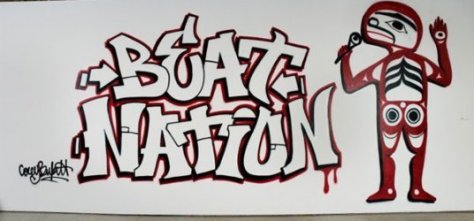
Another day,
the nish naabe way
bkaanak giizhgad.
anthems of the indigenous kind
from ancestral beats flowing down the traplines
it’s the deep bass that resonates filling up space
from the aether above us
connects the souls of our feet to the land below us
where cyphers breathe and spark, birthing
indigenous infused rhythms and resistance
maaba hip hop bemaadziwin, that’s the hip hop life.
Source: & See Full Article Here: —> bkaanak giizhgad
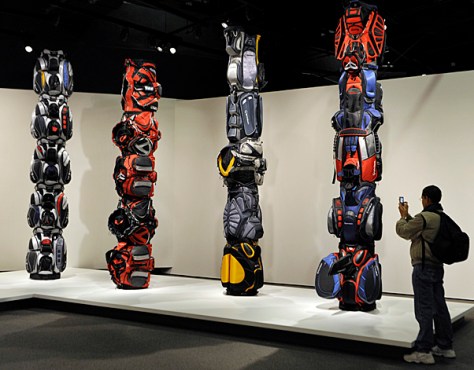
Native Intelligence : image Brian Jungen. Native artist. Work on display at the New Museum in New York.
Man charged with keeping $694K targeted for feeding children at impoverished First Nation reserve

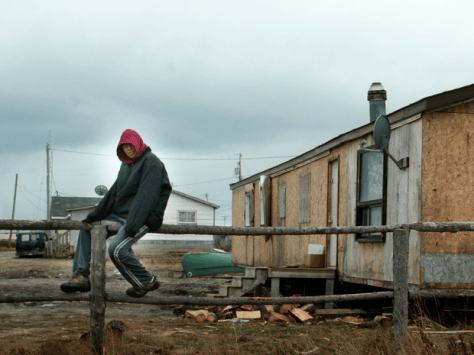 Flooding, access to clean drinking water, improper housing, infrastructure, unemployment and suicide have been chronic problems on the Kashechewan reserve. Photo: Jean Levac, Postmedia.
by Adrian Humphreys, National Post, September 20, 2016
A Thunder Bay, Ont., businessman has been charged with fraudulently misdirecting government money meant to buy breakfasts for children at an impoverished northern Ontario First Nation reserve for his personal use.
View original post 502 more words
Street Art Against Dakota Access Pipeline
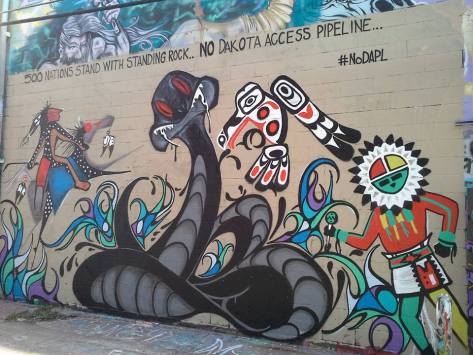 To the people of Standing Rock, with love, peace, and prayers. “How The Protectors Defeated The Black Snake” -Art Alley, Rapid City, SD, by Tyler Read #NoDAPL
Indigenous artist ‘putting Gitxsan people on the map’ in China — Warrior Publications

‘Maybe my art will provide a small glimpse of seeing our people in a … more accurate light’: Angela Sterritt CBC News, August 31, 2016 A Gitxsan artist from British Columbia is among several artists from around the world chosen to create murals at a mountain village resort in China. “To be able to put Gitxsan people on the […]
via Indigenous artist ‘putting Gitxsan people on the map’ in China — Warrior Publications
Something to think about …. “This Isn’t Sustainable”!!
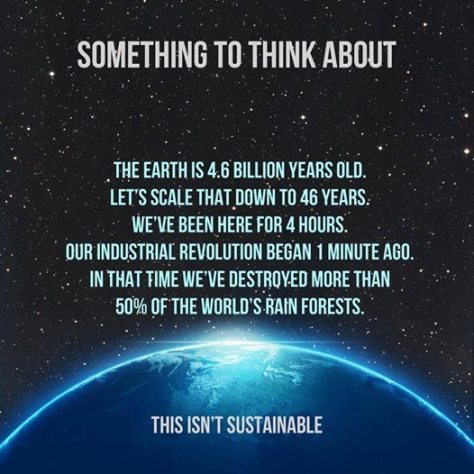 Source: Something to think about …. “This Isn’t Sustainable”!!
Source: Something to think about …. “This Isn’t Sustainable”!!
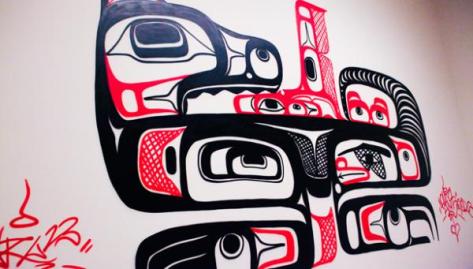
Aerosol Wolf Graffiti – Hip Hop and Native Art Vancouver Art Gallery : Corey Bulpitt (Akos) and Larissa Healey (Gurl 23)
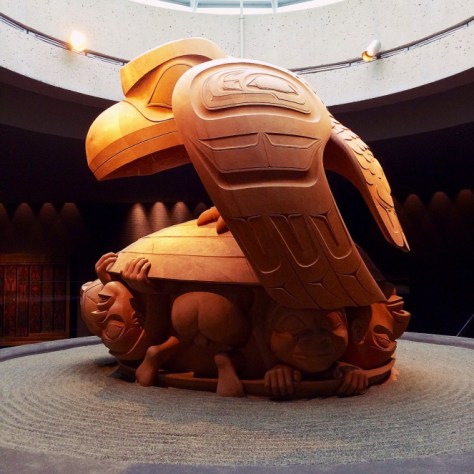
“Raven and the First Immigrant” Carving By Nicholas Galanin


You must be logged in to post a comment.